in today's digital era, choosing the right cloud server is crucial to the operation of an enterprise. especially in taiwan, lightweight cloud servers are favored by more and more users because of their flexibility and high cost performance. this article will introduce you to the usage guide and best practices of taiwan's lightweight cloud servers in detail, helping you to be more comfortable in the selection and use process.
taiwan's lightweight cloud server is a virtual server that usually has lower resource consumption and price, and is suitable for small and medium-sized enterprises or individual users. they usually have the characteristics of rapid deployment and easy expansion, and users can flexibly configure them according to actual needs. the lightweight design of this kind of server allows users to enjoy the convenience of cloud computing at a lower cost, and is especially suitable for application scenarios with large traffic fluctuations.
there are several reasons for choosing lightweight cloud servers in taiwan. first, taiwan's network infrastructure is well-developed, providing stable network connections and ensuring the speed and security of data transmission. secondly, cloud service providers in taiwan usually provide localized technical support and can better meet the needs of local users. in addition, the cost of lightweight cloud servers is relatively low, making it suitable for small businesses and entrepreneurs with limited budgets.
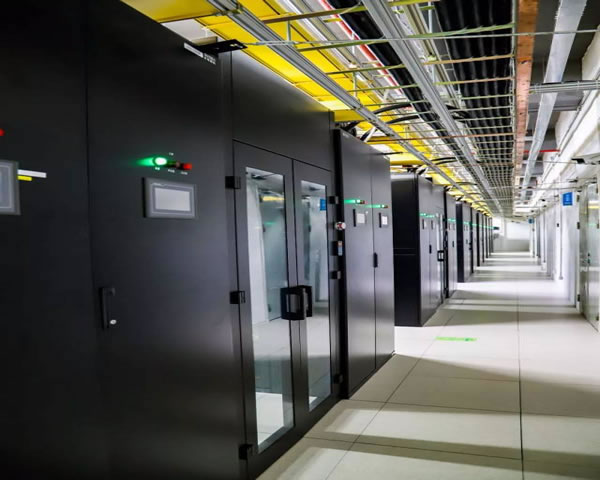
when choosing a lightweight cloud server , users need to consider multiple factors. first, identify your needs, including required storage space, bandwidth, and computing power. secondly, compare the prices and service terms of different cloud service providers to ensure that you choose a cost-effective solution. in addition, it is recommended to check user reviews and cases to understand the performance of the service provider in actual use. finally, choose a service provider that provides good after-sales support so that you can get timely help when you encounter problems.
in taiwan, many well-known cloud service providers provide lightweight cloud server services, such as chunghwa telecom, asia pacific telecom and cloud technology. users can visit the official websites of these service providers to learn about the different packages and related services they provide. in addition, some technology forums and social media platforms also have recommendations shared by users to help you find the right service provider.
managing and maintaining lightweight cloud servers requires a certain technical foundation. users should regularly check the performance of the server, including cpu usage, memory usage, storage space, etc. use monitoring tools to track server status in real time and detect and solve problems in a timely manner. in addition, regular backup of data is an important measure to ensure data security. users should also regularly update software and security patches on the server to prevent security vulnerabilities.
there are some best practices you can follow when using lightweight cloud servers. first, allocate server resources reasonably to avoid resource waste. for applications with smaller resource requirements, you can choose a lower configuration package. second, use automation tools to streamline management processes, such as automated backup and monitoring tools. in addition, regular security checks are performed to ensure that the server is not attacked. finally, use the extended functions provided by cloud service providers to flexibly adjust resource configuration according to business development.
there are many ways to optimize the performance of lightweight cloud servers. first, choose the operating system and software environment appropriately to ensure they are compatible with the server hardware. secondly, using the caching mechanism can significantly improve the response speed of the application. in addition, regularly clean up useless data and files to free up storage space and keep the server in good operating condition. finally, consider using cdn (content distribution network) technology to speed up the loading of static resources and improve user access experience.
when using lightweight cloud servers in taiwan, users should pay attention to some special precautions. first, understand the relevant laws and regulations to ensure your business is compliant. secondly, we should pay attention to data privacy and security issues and choose a service provider with good data protection measures. in addition, server performance must be regularly evaluated and configurations adjusted in a timely manner to cope with the pressure brought by business growth. finally, establish an emergency plan to prevent emergencies from affecting the normal operation of the business.
- Latest articles
- Popular tags
-

Recommended List Of Cloud Server Companies In Taiwan And Service Comparison Analysis Report
recommendations and service comparisons for cloud server providers in taiwan, covering major vendors, selection points, price and performance comparisons, compliance and data sovereignty, migration and operation and maintenance suggestions, to help enterprises and developers make quick decisions. -

Taiwan Lightweight Cloud Server Address Recommendation And Usage Guide
this article will provide address recommendations and usage guidelines for lightweight cloud servers in taiwan, answer related questions, and help users choose a suitable cloud server. -

How To Register And Install On Taiwan Cloud Server
this article details the steps and precautions on how to register and install on a taiwan cloud server.